Ptosis Repair

Heavy or drooping eyelids can impede your vision and create a tired, aged appearance. Our targeted ptosis repair strengthens your eye muscles, restores your vision, and preserves the natural shape of your eyes. 

radial blur

See Clearly With Ptosis Repair

A drooping upper eyelid can limit or even block your vision, leaving your other eye to compensate for the sight loss. This asymmetry can also be frustrating cosmetically and affect your confidence at work and while out with friends. At pēkomd®, our ptosis repair balances your aesthetic and medical needs to help you regain your sight while enhancing the look of your eyes. 

Logomark
older woman smiling

What Is Ptosis?

Ptosis is a medical condition in which the upper eyelid droops, sags, or falls over the eye, impacting vision. Most often, ptosis is caused by a malfunctioning levator muscle, which lifts the eyelid and helps you blink. Many people experience ptosis in one eye, causing asymmetry, but it can occur in both eyes to varying degrees. If you’re unsure if your drooping eyelid is due to loose skin or ptosis, look for the following signs: 

  • Reduced field of vision
  • Eye fatigue from lifting the brows
  • Difficulty keeping the eyes fully open 
  • Asymmetrical drooping of the upper eyelid 
  • Increased tearing or watery eyes
  • Excessive rubbing of the eyes
radial blur

Schedule a Consultation

Contact Us
Contact us media

The pēkomd® Difference

When you choose pēkomd® for your ptosis repair, you choose an experience rooted in clinical excellence, patient-focused care, and comprehensive service. Our ACHC-accredited Ohio facilities are home to our team of highly-trained medical professionals, including board-certified surgeons and licensed eye specialists. All of our team members have completed advanced academic and clinical training in eyelid anatomy and functional eye procedures, ensuring your ptosis repair is performed safely and without damage to surrounding tissues. 

Because our team’s anatomical knowledge runs so deep, we’re able to offer a wide range of surgical, non-surgical, and wellness-based treatments to all patients. Our full toolbox allows us to customize every care plan to suit your exact aesthetic desires and medical needs. We help you look, feel, and do better for years to come with targeted surgeries and effective wellness programs. 

Your Ptosis Repair at pēkomd®

An In-Depth Eye Evaluation

Every patient’s journey with pēkomd® begins with a private consultation with our medical staff. There, you’ll discuss your aesthetic goals, concerns, and medical history, and your provider will examine your eyelid position, muscle function, and overall eye health to determine the proper diagnosis. 

Personalized Surgical Planning

Once our team has confirmed your ptosis, we’ll begin building your customized surgical plan. Here, our goal is a balanced, natural-looking result that restores your levator muscle strength while preserving your natural expression. Your surgical plan will align with your anatomy to celebrate your authentic features.

Strengthening the Eyelid Muscle

During surgery, your surgeon will carefully tighten or reposition the levator muscle to restore your ability to lift the eyelid. This helps your eyelid rest at a more natural height, reducing eye irritation and teariness.

Improving Eye Function

Once your levator muscle has been sufficiently tightened, your surgeon will carefully adjust your eyelid to remove any excess skin and ensure your eye regains full function. Our focus is on improving your eye opening and restoring your full range of sight. 

Background media

High-Touch, Patient-First Recovery 

Recovery from ptosis repair typically involves mild swelling, bruising, and tightness around the eyes, which should resolve within two weeks. You’ll need to keep your head elevated and use cold compresses to reduce swelling and encourage healthy blood flow during early healing. We may provide you with protective lenses or an eyepatch to reduce irritation and sun exposure after your procedure. You’ll head home from surgery with an extensive list of aftercare instructions from our team, which may include the following items: 

  • Incision site care and cleaning protocols
  • Makeup guidance
  • Skin care and hygiene recommendations
  • Sun exposure and protection requirements
  • Sleep position restrictions
  • Activity limitations
  • Swelling and pain management strategies 

Some patients experience temporary dryness or sensitivity directly after their procedure, but this should resolve within a few days. You’ll return to our Ohio office for multiple follow-up appointments with our team to monitor your healing progress, assess your eye function, and approve your return to impactful activities. Most patients resume light walking, desk work, and social activities within a few days, but strenuous exercise, driving, and prolonged sun exposure may be limited for several weeks. 

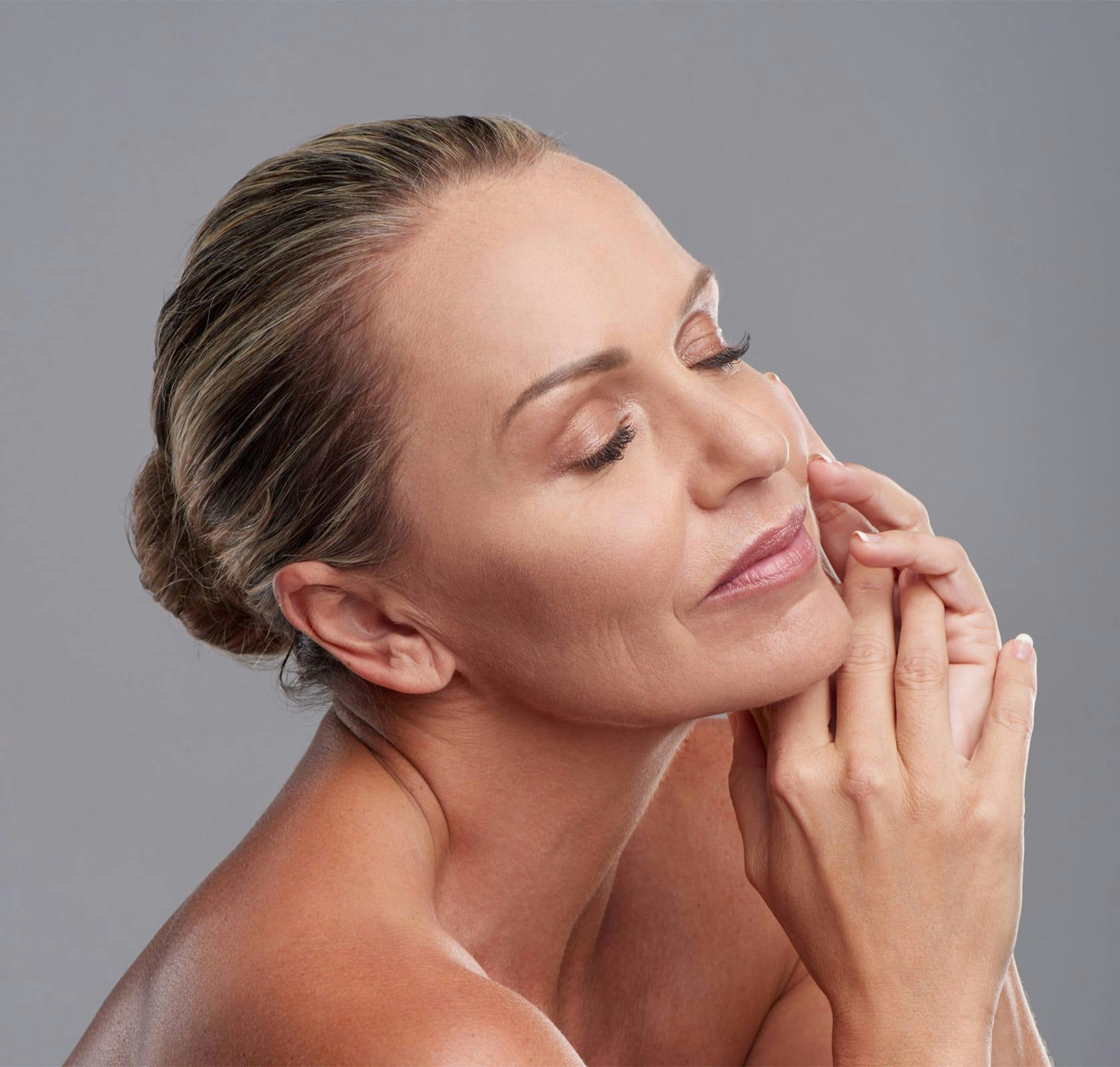
woman with hands on her cheeks

Transformative Results 

The final results of your ptosis repair will reveal themselves as residual swelling fades and the levator muscle adjusts to its new position, which may take a few weeks. Many patients notice an immediate improvement in their sight, and their field of vision continues to expand as healing progresses. Over time, your eyes will appear more open and balanced, creating a more alert, refreshed appearance. 

Banner media

FAQ Ptosis Repair

Is ptosis repair considered a medical or cosmetic procedure?

Ptosis repair is typically considered a medical procedure because it directly affects your vision. However, it does have cosmetic benefits.

How long will my ptosis repair take?

Most ptosis repair procedures take roughly one hour to complete, but your procedure duration will depend on your surgical plan and whether one or both eyes are treated. During your consultation, we’ll share a realistic timeline so you’re fully prepared.

Can ptosis return after surgery?

The results of your ptosis repair are designed to be long-lasting, and many patients enjoy their outcomes for several years. However, natural aging can alter eyelid position over time, leading to ptosis recurrence.

Will I need anesthesia for this procedure?

Yes. Most ptosis repair procedures are performed under local anesthesia with sedation, but you may opt for general anesthesia for your comfort.

FAQ media

Lift and Strengthen the Eyelid With Ptosis Repair 

You deserve to look, feel, and do better in every aspect of life, with a full field of vision to guide you. Contact our Ohio office today to learn more about ptosis repair and request a consultation.

Get started on your path to confidence. Book Now.

Feeling your best doesn’t happen by accident. Start with a plan that supports where you're going next.

Contact Us
Contact us media
Accessibility: If you are vision-impaired or have some other impairment covered by the Americans with Disabilities Act or a similar law, and you wish to discuss potential accommodations related to using this website, please contact our Accessibility Manager at (614) 635-9699.
Connect With Us