
Aging effects begin to show relatively early in the eyelids because of the delicate skin in this area.
Eyelid Surgery Blepharoplasty

Eyelid Surgery for a Youthful Look
Eyes express so many emotions that aging eyelids can affect more than just the youthful appearance to make you look sad, tired or angry. Board certified plastic surgeons at pēkomd® provide eyelid surgery in Toledo, OH to restore a refreshed, alert, and naturally youthful eye appearance. pēkomd® will recommend lower or upper eyelid lift or a combination of the two to reverse the aging effects from your eyes. A custom eyelid surgery or blepharoplasty will erase wrinkles and fine lines, correct droopy eyelid skin, remove the eye bags or puffiness, and restore a lifted, rested, and youthful appearance to your eyes. If the droopy eyelids are obstructing your vision, the problem can be corrected with an eyelid surgery.

Benefits of Eyelid Surgery
An upper or lower blepharoplasty or a combined eyelid lift surgery will offer you life-enhancing aesthetic and functional benefits. Patients of pēkomd® often report the following benefits after their eyelid surgery.
Cosmetic Benefits
Upper blepharoplasty will eliminate droopy skin from the upper lids that may be obscuring the natural skin fold. Your surgeon can also remove the upper lid puffiness that may be giving you a tired look. A lower blepharoplasty will tighten the loose lower lid skin to remove fine lines and wrinkles, while also removing the under eye bags. If the saggy eyelids are exposing the white portion of the eye below the iris, an eyelid surgery will correct that effect.
Functional Benefits
Sagging eyelid skin can obscure your peripheral vision, which will be corrected with an eyelid surgery. Loose skin in the upper lids sometimes causes irritation or heaviness during blinking as the sagging tissue rubs together. Removal of excess skin folds around the eyelids will provide relief from this discomfort. Drooping eyelids may also cause muscle strain in the forehead when the excess tissue is weighing down on the eyes. An eyelid surgery will eliminate your forehead discomfort.

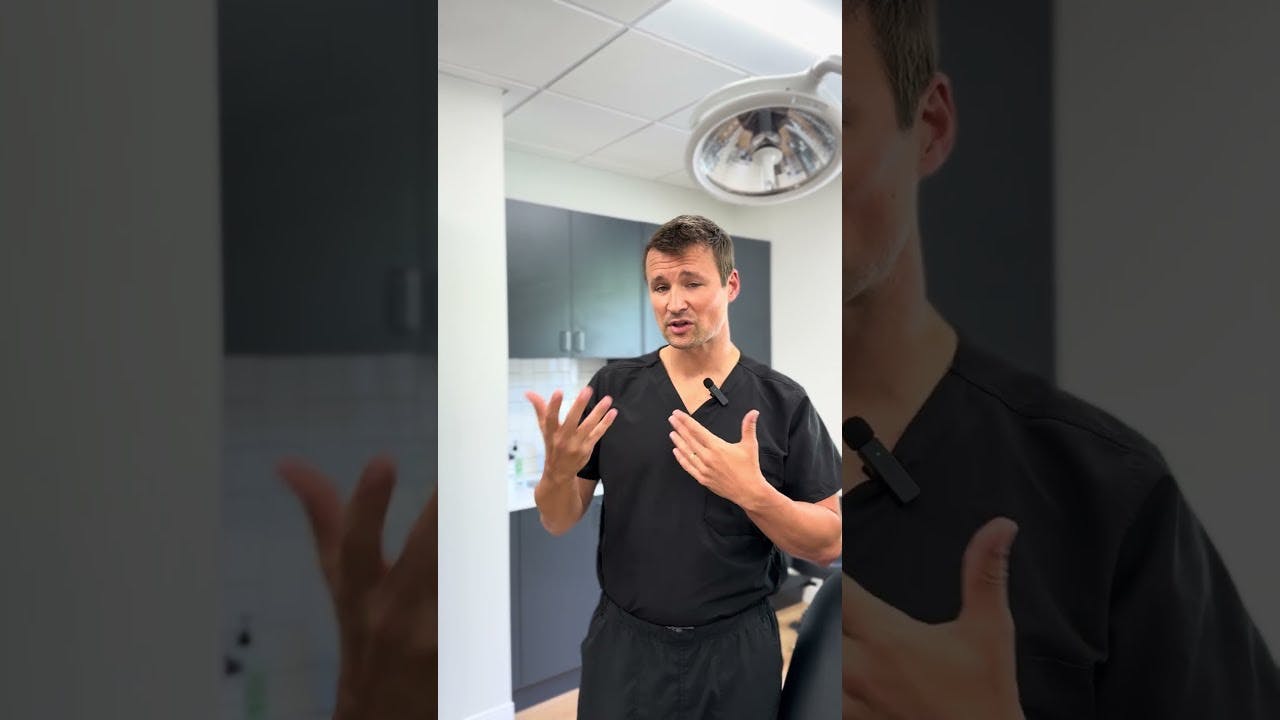
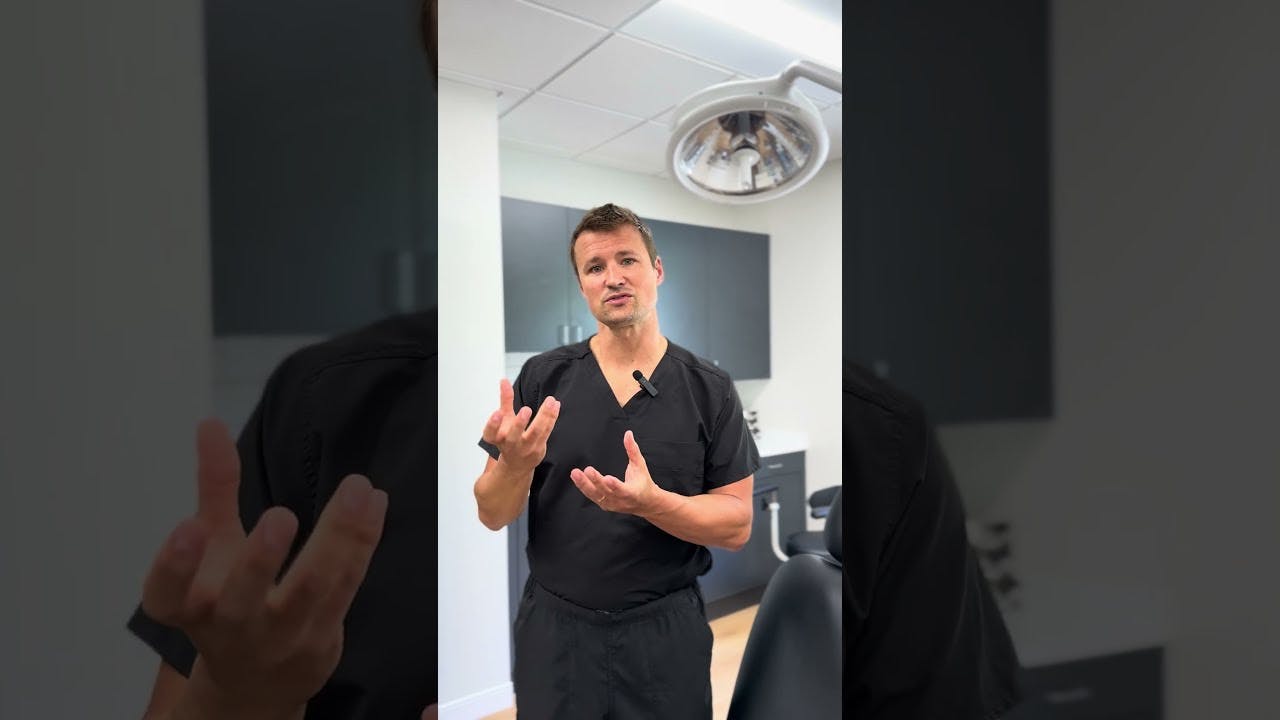
Lower Blepharoplasty Explained
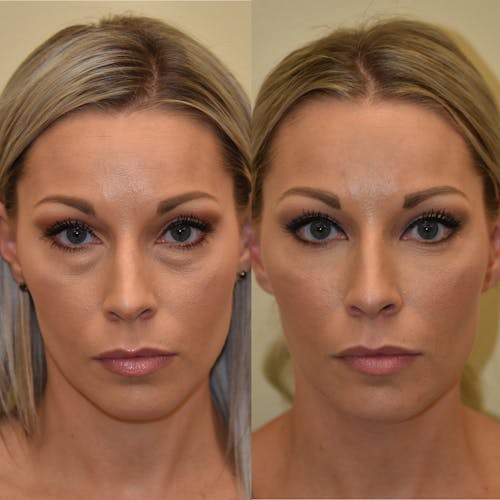
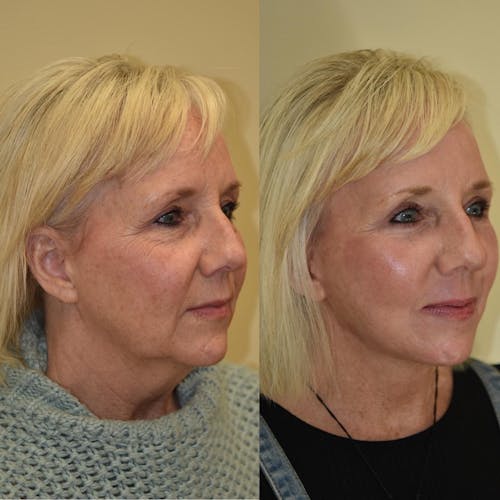
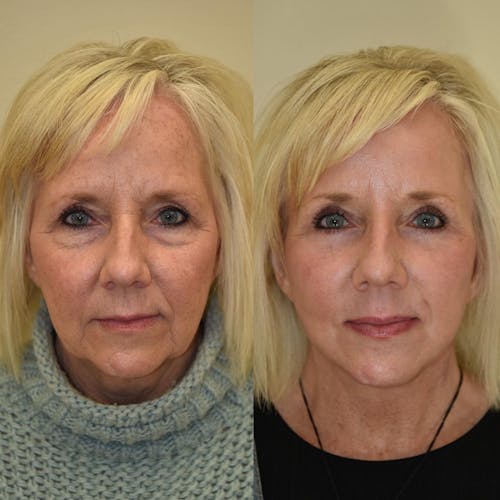
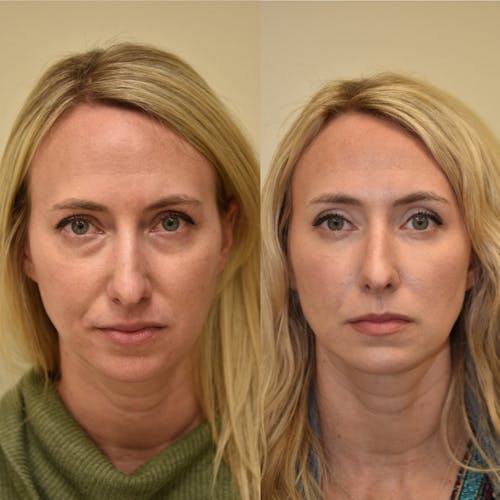
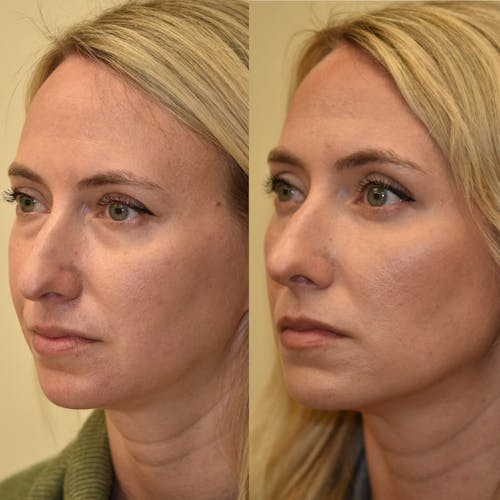
Upper & Lower Blepharoplasty Before & After

FAQs
Am I a good candidate for blepharoplasty?
The best candidates are in good overall health, don't smoke, and are bothered by eyelid changes that affect how they look, how they express themselves, or how well they see. Age matters less than the actual degree of change in the eyelids.
How long do results last?
Upper blepharoplasty results typically hold for 5 to 7 years or more. Lower eyelid results often last a decade or longer. Aging doesn't stop, and factors like sun exposure and genetics will shape how results hold up over time.
What does recovery look like?
Most patients are back to light daily activity within 7 to 10 days. Bruising and swelling are normal and fade over the following 2 to 3 weeks. Strenuous activity should wait several weeks, and protecting your eyes from sun during healing matters. Your surgeon will walk you through a recovery plan specific to your procedure.
Will I have visible scarring?
Incisions are placed inside the natural eyelid crease or just under the lower lash line, keeping scars in areas where they are difficult to detect. They continue to fade over time. Keeping the area out of direct sun and following your aftercare instructions makes a real difference in the final result.
Is blepharoplasty painful?
The procedure is performed under anesthesia, so there is nothing to feel during surgery. Afterward, mild soreness, tightness, or some dryness around the eyes is common. Most patients manage this well with prescribed medication, and it typically clears within the first week or two.
Can blepharoplasty be combined with other procedures?
Yes. Eyelid surgery is frequently performed alongside a brow lift, facelift, or other facial work. Combining procedures means one recovery period instead of multiple, and lets you address more than one concern in a single plan.
What is the difference between blepharoplasty and a brow lift?
Blepharoplasty works directly on the eyelids, addressing excess skin, fat, and looseness in the upper or lower lids. A brow lift targets the position of the brow and forehead. For some patients, a low brow is actually what is causing the hooded appearance, making a brow lift the better solution.
Does insurance cover eyelid surgery?
Upper blepharoplasty may be partly covered when drooping skin can be documented as blocking peripheral vision, which usually requires a visual field test. Lower blepharoplasty is considered cosmetic and is not typically covered. The pēkomd® team can help you understand what documentation you may need to support an insurance inquiry.
What type of anesthesia is used?
Depending on the scope of the procedure and your preferences, blepharoplasty can be performed under local anesthesia with sedation or general anesthesia. Your surgical team will talk through the options during your consultation and recommend what is safest for you.